Brexit: Starmer Pledges Closer Ties with the European Union
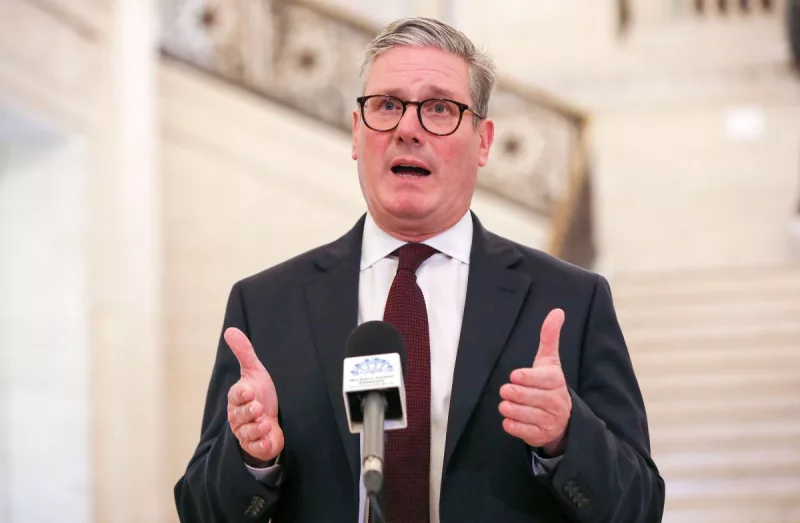
UK Prime Minister Keir Starmer stated that the post-Brexit era requires redefining the relationship between the United Kingdom and the European Union, emphasizing that Britain today is not the same country that voted to leave the bloc.
Speaking at the Munich Security Conference alongside European Commission President Ursula von der Leyen, Starmer pledged to accelerate cooperation in defense and trade.
He stressed that Brexit should no longer stand in the way of building a more practical and balanced partnership.
Urgent European Engagement
Starmer highlighted his government’s efforts to deepen ties with Brussels, arguing that current geopolitical challenges demand stronger security and economic coordination.
He said the objective is to achieve greater security and more resilient economic growth.
He acknowledged that addressing the consequences of Brexit may involve domestic political trade-offs, but insisted that closer alignment with the EU serves the UK’s national interest.
A New Foreign Policy Vision
In his remarks, Starmer outlined a broader foreign policy strategy aimed at reinforcing the UK’s European engagement while maintaining strong transatlantic relations with the United States.
He emphasized that Washington remains an indispensable ally, particularly in nuclear deterrence and intelligence cooperation.
However, he called for reducing excessive reliance and moving toward a model based on mutual interdependence.
Boosting Defense Spending
The Prime Minister advocated closer UK-EU collaboration on defense financing, signaling openness to innovative funding mechanisms to support increased military spending.
He warned that Europe must prepare for ongoing security risks, particularly from Russia, and reaffirmed Britain’s commitment to NATO’s collective defense obligations.
Addressing the Russian Threat
Starmer stated that Russia continues to rearm and that security threats to Europe may persist even if a peace agreement is reached in Ukraine.
He underscored that the UK would stand ready to defend any NATO ally if required.
He concluded by stressing the need for transparent leadership in preparing citizens for a period marked by heightened global tensions and strategic transformation.